
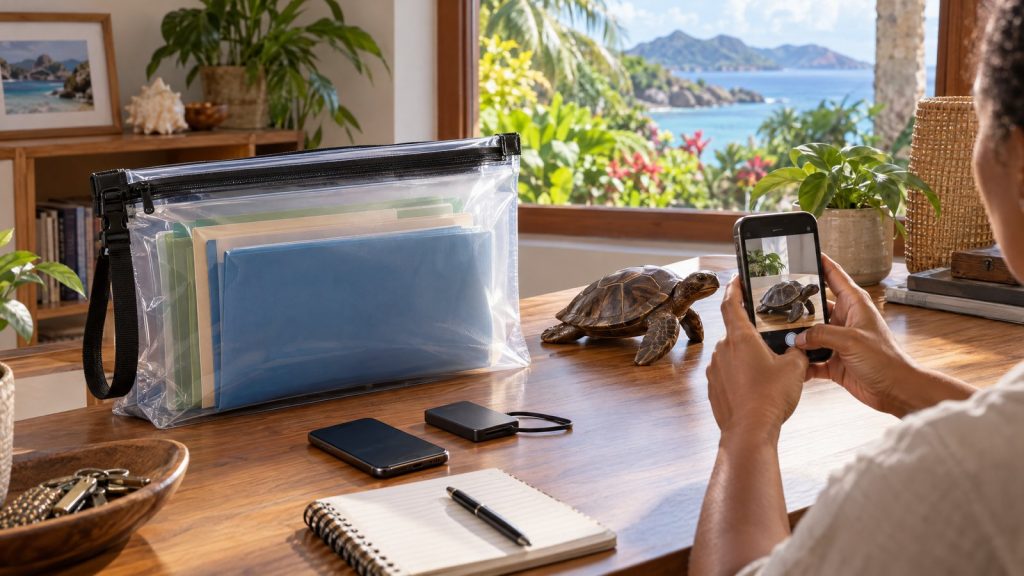
When a storm, flood or fire disrupts a household, finding proof of identity, ownership, medical needs and purchases can make recovery less stressful. Start with a list rather than trying to document everything perfectly. Include identification, birth and family records, tenancy or ownership papers, insurance details, banking contacts, prescriptions, school information, warranties and key service agreements.
Scan or photograph records and store encrypted copies in a secure cloud account or external drive. Keep paper originals in a waterproof, fire-resistant container located where they can be collected quickly, while avoiding a place likely to flood. Share access instructions with a trusted person, but do not post personal numbers or documents publicly. Review passwords and enable multi-factor authentication where available.
Create a home inventory room by room. Photograph furniture, appliances, tools, electronics, bicycles, jewellery and important fixtures. Record make, model, serial number, approximate purchase date and receipts when available. Do not wait until after damage: a short video walkthrough can show context. Update the inventory after major purchases and keep a copy separate from the home.
Prepare a one-page contact and needs sheet with household names, allergies, medicines, mobility or communication needs, pet information and an agreed meeting point. Avoid putting unnecessary sensitive information on a bag label. Keep a small amount of accessible money only as appropriate to your circumstances and be alert to disaster-related scams asking for account details or urgent fees.
After an event, photograph damage safely before discarding items when possible, notify the relevant insurer, landlord or service provider, and keep receipts. Documents are tools for recovery, not a reason to enter an unsafe building. If a record is lost, ask the issuing organisation about replacement through its official channel.
Practical checklist
- Make a secure digital backup and test that it can be opened.
- Keep originals protected from water and heat.
- Photograph belongings with identifying details.
- Review the inventory and medicines twice a year.
- Protect personal information from opportunistic scams.
Source note: For Seychelles warnings and instructions, follow the Seychelles Meteorological Authority (meteo.sc) and relevant local authorities. The other links below are general international guidance, not Seychelles-specific requirements.
Further guidance
- Ready.gov: Financial preparedness and critical records
- Ready.gov: Make an emergency plan
- Ready.gov: Home fire safety
An insight from the Development and Resilience Research Monitor (DRRM).