
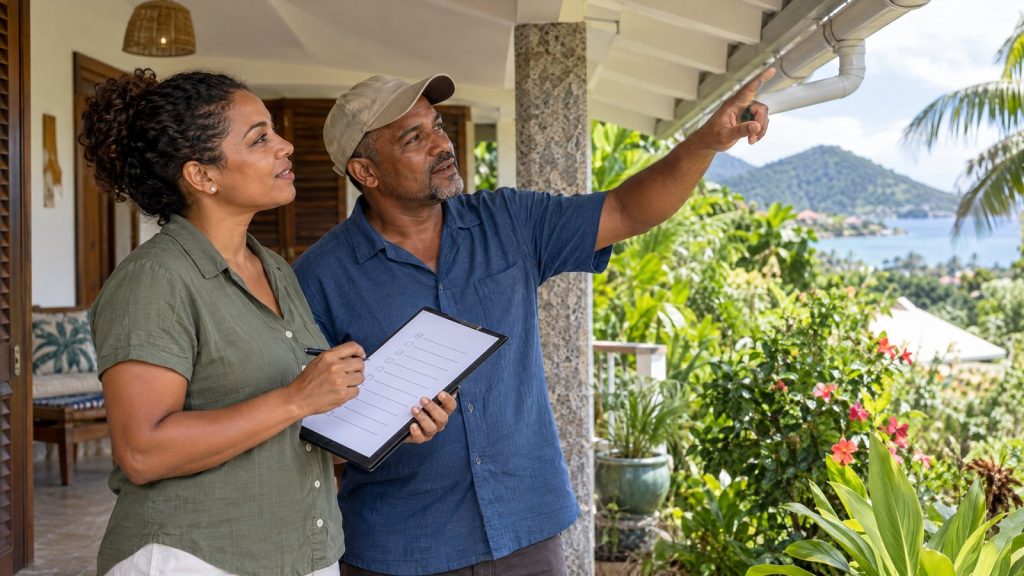
Preparedness works best when tenants and landlords share clear, respectful information before bad weather. A renter knows daily conditions inside the home; an owner or managing agent may know maintenance history and building systems. Neither side should assume the other has checked. Put practical arrangements in writing and keep copies.
Tenants can report leaks, blocked drains, damp smells, faulty smoke alarms, damaged cords, loose fittings or windows that do not close. Include the location, date, photographs and any immediate safety concern. Do not attempt electrical, gas, roof or structural work yourself. Keep exits and shared corridors clear, follow building rules, and ask where to shelter or how to access the property after an evacuation.
Landlords and managers can provide current contact routes, explain how to report urgent maintenance, check that alarms and common-area lighting are maintained, and share any building-specific evacuation or utility information. They should communicate planned works and take reasonable steps to address reported hazards. Arrange access respectfully and protect tenant privacy.
Before an emergency, agree who secures shutters or outdoor items, who can check on a vacant unit, how pets are handled, and what happens if water or electricity must be isolated. Tenants should keep documents, medicines and a small go-bag ready rather than relying on access to the home. Landlords should keep records of inspections and qualified contractors.
After damage, do not re-enter if officials or qualified professionals say it is unsafe. Record conditions without putting yourself at risk, notify the agreed contact and keep receipts. Disagreements about repairs or costs should use the appropriate local tenancy or consumer process; this article does not replace a lease, law or professional advice.
Practical checklist
- Exchange an emergency contact and preferred communication method.
- Report hazards early with clear photos and locations.
- Keep exits, stairs and access routes unobstructed.
- Agree responsibilities for pets, shared spaces and utility access.
- Use qualified professionals for electrical, gas and building work.
Source note: For Seychelles warnings and instructions, follow the Seychelles Meteorological Authority (meteo.sc) and relevant local authorities. The other links below are general international guidance, not Seychelles-specific requirements.
Further guidance
An insight from the Development and Resilience Research Monitor (DRRM).